
 Image 1 of 4
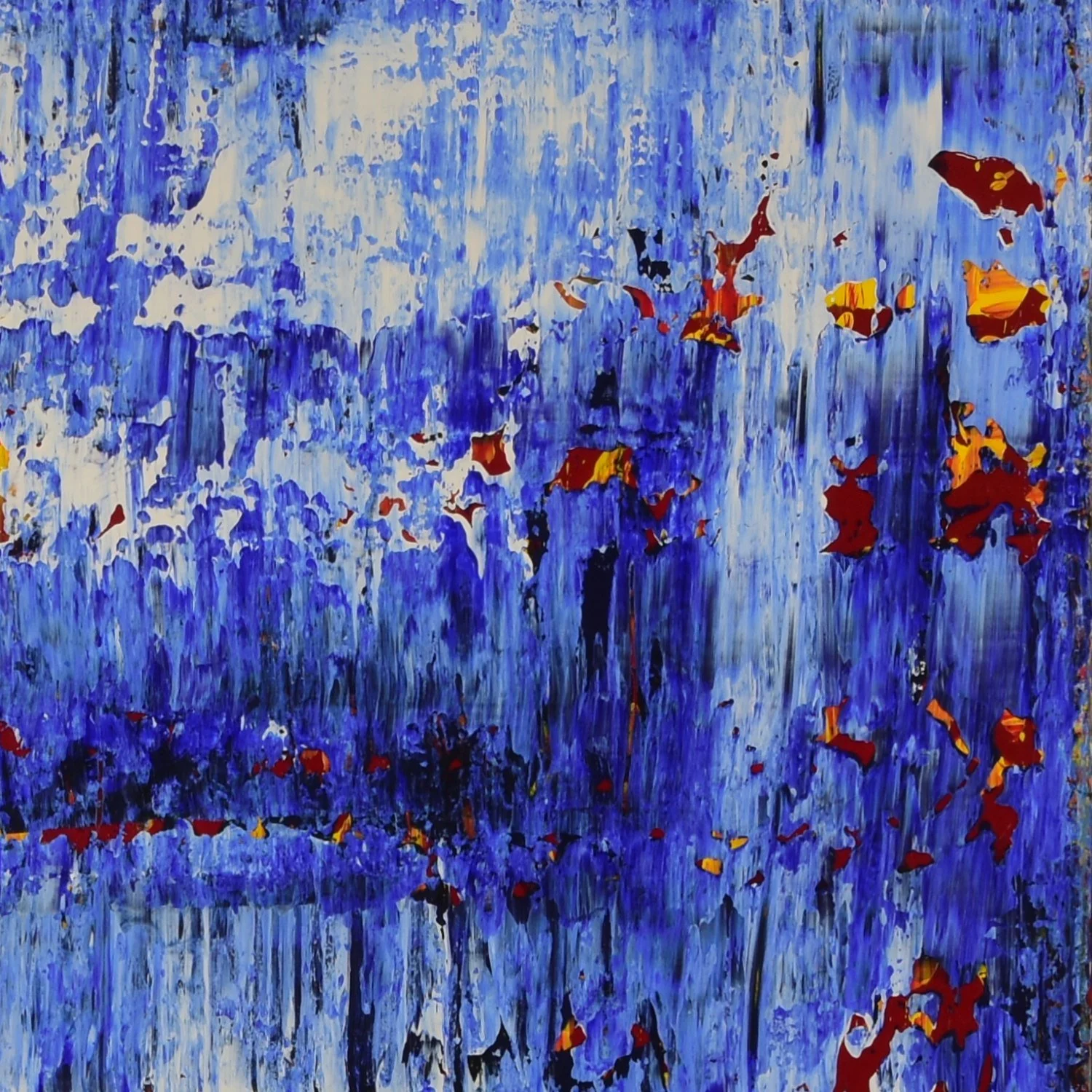 Image 2 of 4
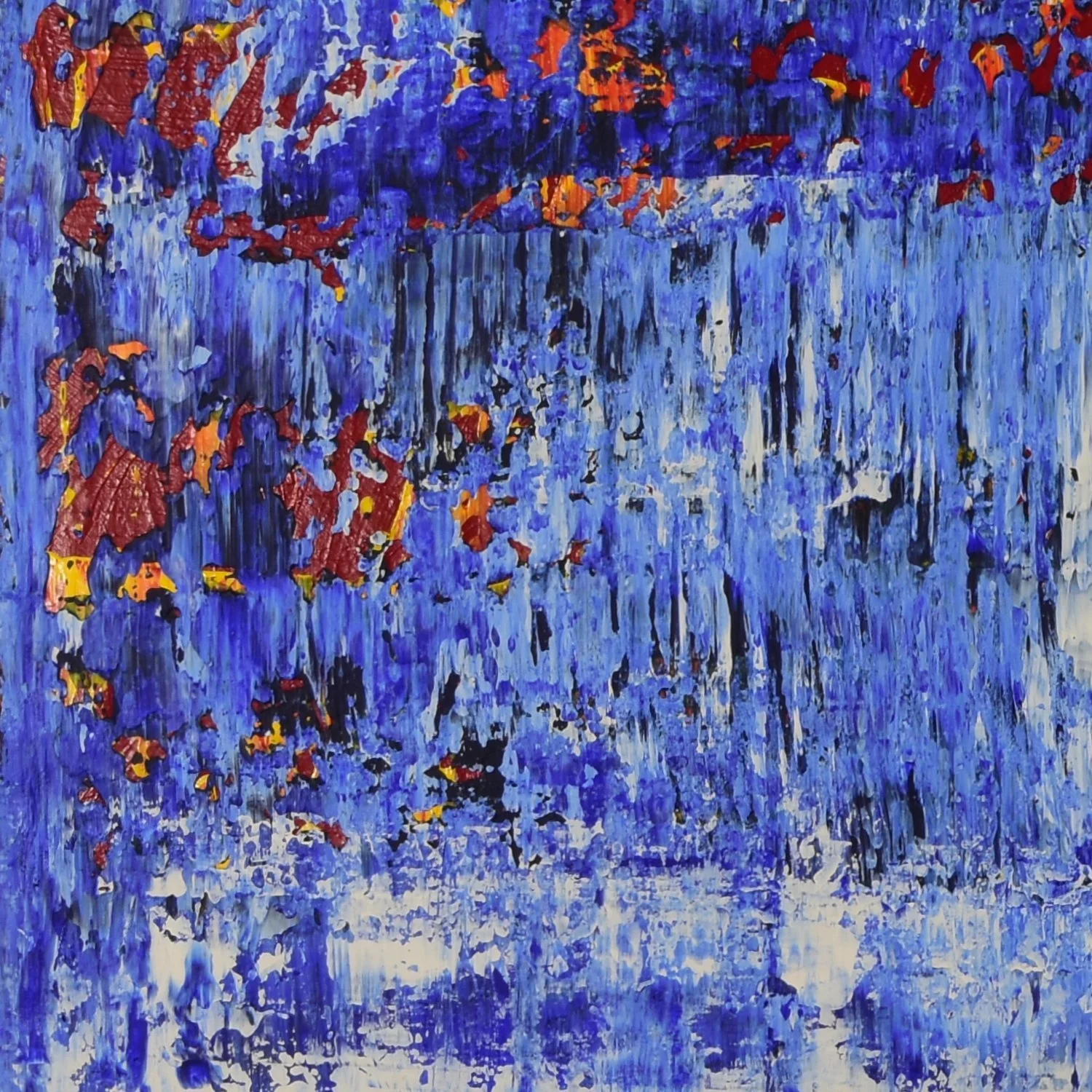 Image 3 of 4
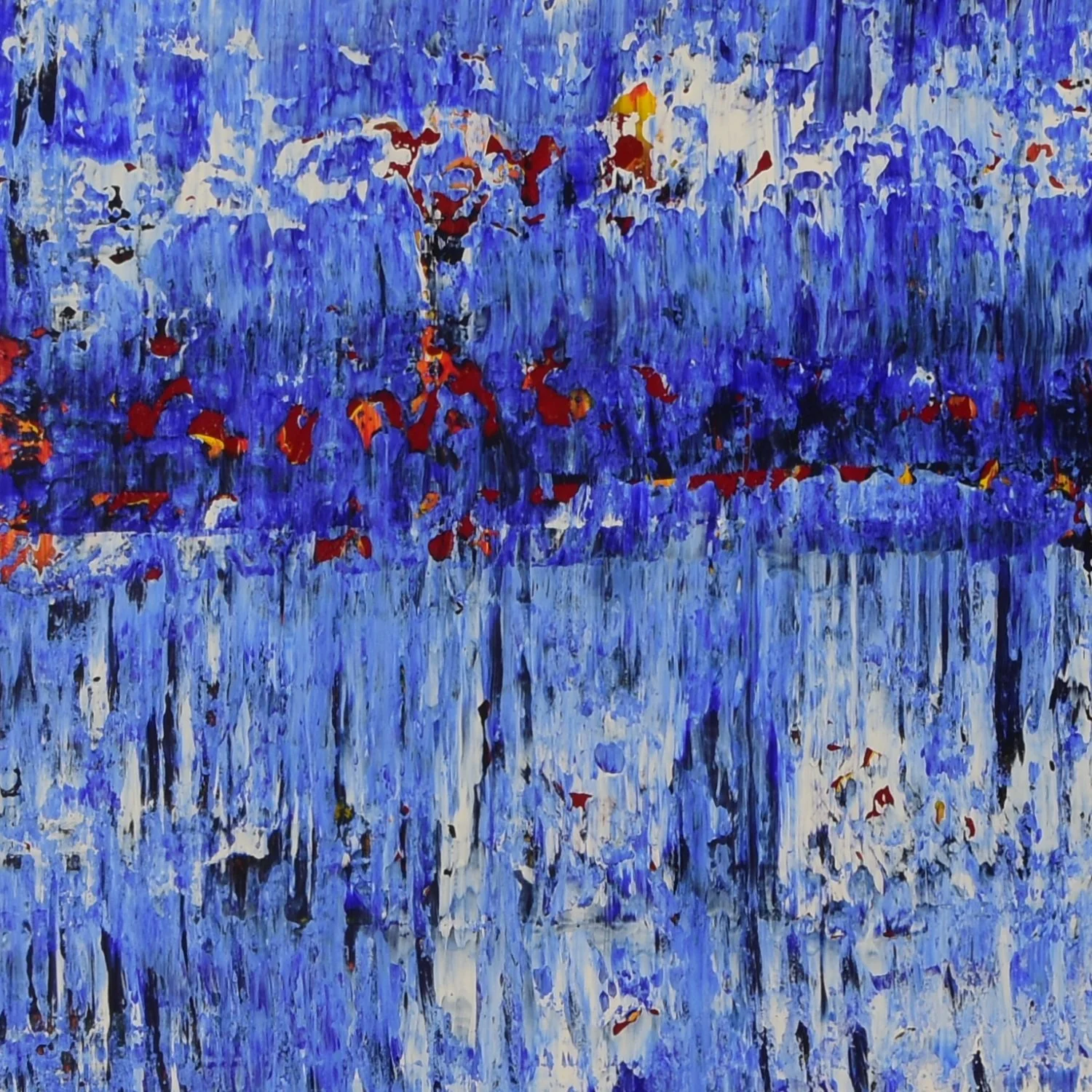 Image 4 of 4
61.0 × 76.0 cms / 24 x 30 ”
Acrylic on canvas, 38mm deep box frame.
Signed on the back, ready to hang.
Free delivery with the UK.
Free personal delivery and hanging service within London and the home counties.
International shipping will be arranged and charged after the order is placed.
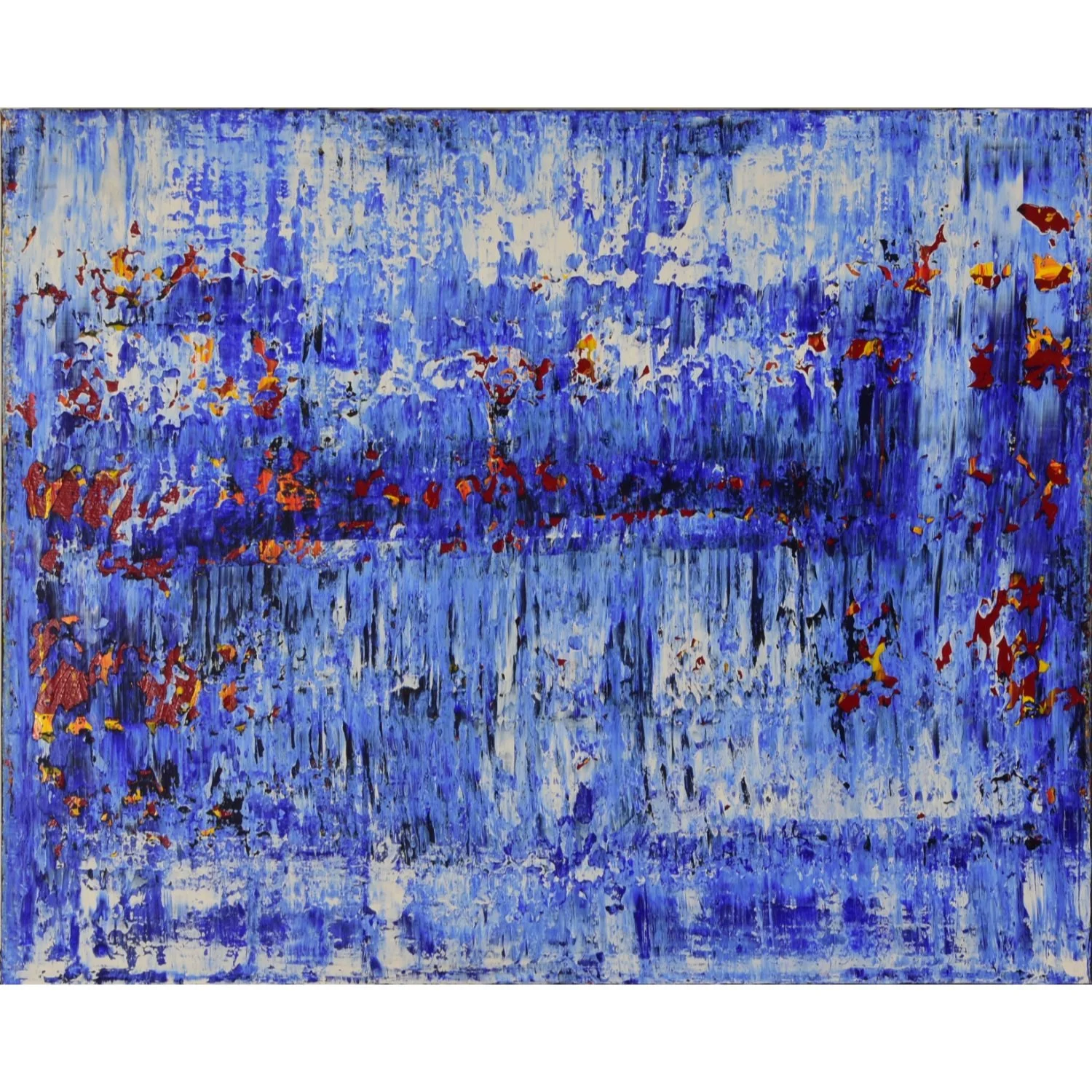
My father was an engineer below deck in the Royal Navy. He served in the Russian convoys and was art of the D-Day fleet during the second world war. What do you think of that? he demand of me. Dad, I am only seven-year-old, I don’t know, I managed to reply. The memories of what he saw drove him mad in the end. When I painted this, I saw blood and engine oil on fire on the water with a gentle snow falling after the U-boats had departed.
“After Germany invaded the Soviet Union on 22 June 1941, the Soviet leader, Joseph Stalin, demanded help and Britain and its allies provided supplies. The most direct route was by sea, around northern Norway to the Soviet ports of Murmansk and Archangel.
The first convoy sailed in September 1941. The route passed through a narrow funnel between the Arctic ice pack and German bases in Norway, and was very dangerous, especially in winter when the ice came further south. Many of the convoys were attacked by German submarines, aircraft and warships.
On 27 June 1942 convoy PQ-17 departed Iceland for the Soviet Union. Out of 34 merchant ships, only 11 would make it to port. At first, things seemed to be going well for the convoy as they beat off multiple German air attacks with relative ease. But on 4 July, everything went wrong. An order arrived from Admiral Sir Dudley Pound, the First Sea Lord himself reading 'Convoy is to scatter'. Fearing an imminent attack from German surface ships like Tirpitz the escort ships fled west while the merchant ships made for the Soviet Union.
But the Tirpitz was nowhere near the convoy, in fact, it was still at its moorings in northern Norway. Instead of saving the convoy from disaster, Admiral Pound's order had doomed PQ-17 to destruction. Over the following week, two thirds of the convoy were sunk by German aircraft and U-boats. It was the biggest loss to a British convoy of the Second World War.”
Source: www.iwm.org.uk
61.0 × 76.0 cms / 24 x 30 ”
Acrylic on canvas, 38mm deep box frame.
Signed on the back, ready to hang.
Free delivery with the UK.
Free personal delivery and hanging service within London and the home counties.
International shipping will be arranged and charged after the order is placed.
My father was an engineer below deck in the Royal Navy. He served in the Russian convoys and was art of the D-Day fleet during the second world war. What do you think of that? he demand of me. Dad, I am only seven-year-old, I don’t know, I managed to reply. The memories of what he saw drove him mad in the end. When I painted this, I saw blood and engine oil on fire on the water with a gentle snow falling after the U-boats had departed.
“After Germany invaded the Soviet Union on 22 June 1941, the Soviet leader, Joseph Stalin, demanded help and Britain and its allies provided supplies. The most direct route was by sea, around northern Norway to the Soviet ports of Murmansk and Archangel.
The first convoy sailed in September 1941. The route passed through a narrow funnel between the Arctic ice pack and German bases in Norway, and was very dangerous, especially in winter when the ice came further south. Many of the convoys were attacked by German submarines, aircraft and warships.
On 27 June 1942 convoy PQ-17 departed Iceland for the Soviet Union. Out of 34 merchant ships, only 11 would make it to port. At first, things seemed to be going well for the convoy as they beat off multiple German air attacks with relative ease. But on 4 July, everything went wrong. An order arrived from Admiral Sir Dudley Pound, the First Sea Lord himself reading 'Convoy is to scatter'. Fearing an imminent attack from German surface ships like Tirpitz the escort ships fled west while the merchant ships made for the Soviet Union.
But the Tirpitz was nowhere near the convoy, in fact, it was still at its moorings in northern Norway. Instead of saving the convoy from disaster, Admiral Pound's order had doomed PQ-17 to destruction. Over the following week, two thirds of the convoy were sunk by German aircraft and U-boats. It was the biggest loss to a British convoy of the Second World War.”
Source: www.iwm.org.uk